Bank of America's investment funded the Fall 2026 Challenge.

At a glance
One weekend, four fintech concepts, 21 students.
Students came from business, finance, marketing, computer science, information technology, data analytics, health services and kinesiology. Fourteen of the 19 who completed the opening survey had never launched a business.
Learning outcomes
Confidence rose in every skill we measured, most of all in the numbers.
Students rated their confidence in six startup skills on a 1 to 5 scale at kickoff and again at close. Financial forecasting started as the weakest skill and gained the most.
Based on the 16 students who completed both surveys, so each before and after figure compares the same people. "Confident" means a rating of 4 or 5.
Results
Beyond the Score took first place and heads to Atlanta.
All four teams earned prize money. The winning team advances to the national competition in Atlanta, and the Center is working with School of Business faculty to prepare them.
1st place · Advances to nationals
Beyond the Score
Sponsored trip to the national competition in Atlanta
2nd place
Bank Guard
3rd place
FinGuard
4th place
CoinQuest
In the room
Two days of building, coaching and pitching.
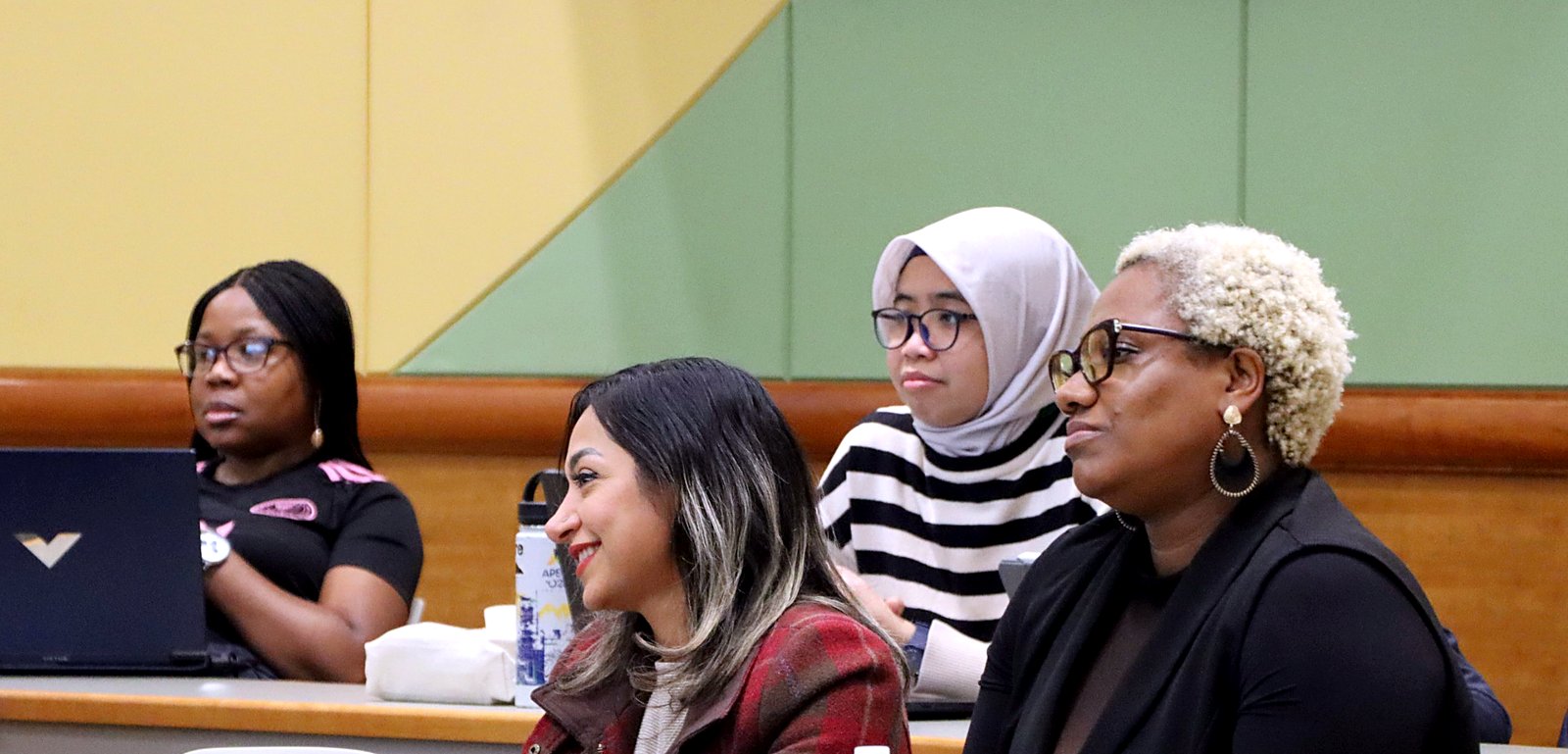
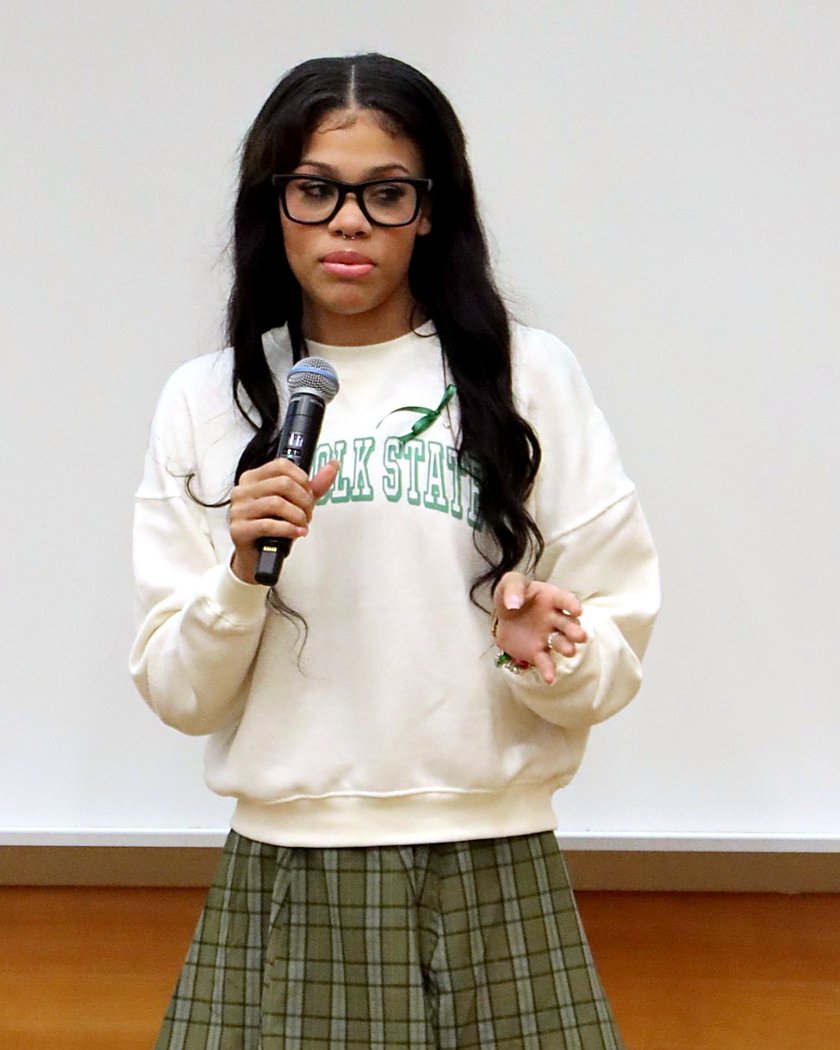
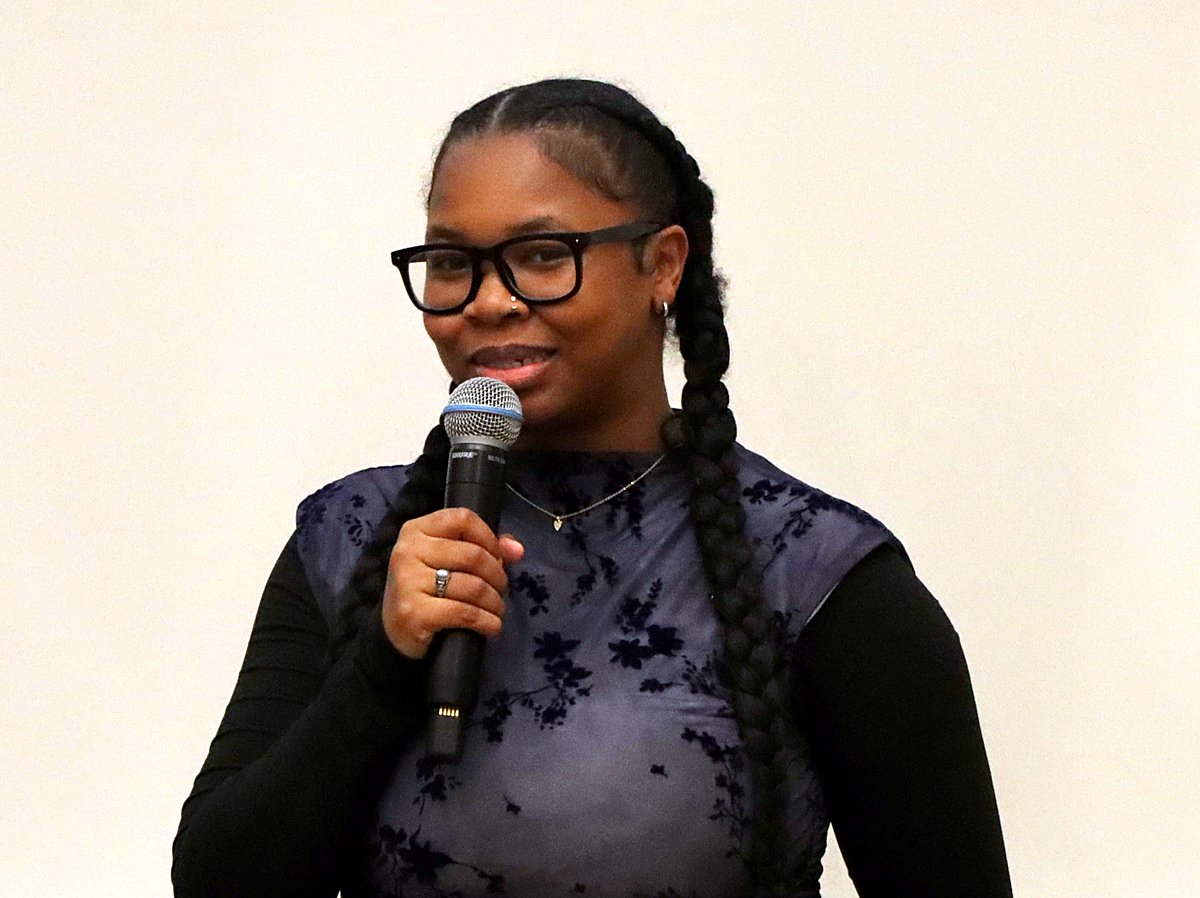
Scenes from the Spartan FinTech Innovation Challenge at Norfolk State University, November 13–14, 2026.
What worked
Mentors were the most valuable part of the weekend.
Asked what was most valuable, students named mentors more than anything else. Nearly every student wants to keep that relationship going.
Mentorship by the numbers
Center resources students found most helpful
Skills students say they built
What students said stood in their way at kickoff
Student voices
Students left believing they can build.
We asked how the program influenced their career or entrepreneurial aspirations. These are their answers.
It made me realize they were possible.Computer Science student
Gave me more confidence in pursuing my business plan.Business and Finance student
It has inspired me to not limit myself in a box. It helped me discover my strengths.Business Management student
This program has led me to utilize AI in everything I do, including my career.Business Management student
Highly influenced my drive in staying the course and believing in myself.Challenge participant
Return on investment
$13,000 reached 21 students at about $619 each.
Bank of America's investment funded the Challenge. Nearly a fifth of the budget went straight to students as prize money.
Total program investment
$13,000Funded by Bank of America and delivered by the NSU Innovation Center, with facilitation by Winners Inc.
Where it went and what it bought
What comes next
The follow-through runs through the Center.
The weekend is over and the work continues. Four commitments carry the Challenge forward, followed by what students told us to do better.
Prepare Beyond the Score for Atlanta
The Center and School of Business faculty are coaching the winning team ahead of the national competition.
Put student resumes in front of Bank of America
Students send their resumes to the Center, which forwards them to Bank of America for internship consideration.
Keep students connected to mentors and judges
Introductions run through the Center, so every student who wants continued mentorship has a route to it.
Deliver prizes and certificates
Teams collect their prize checks and certificates at the NSU Innovation Center.
What students asked us to improve
- 01Teach the numbers earlier. Several students said financials turned out to be the heart of the pitch and they wanted that emphasized from the start.
- 02Give teams more time, including a longer pitch slot. One suggestion was seven minutes instead of five.
- 03Recruit further ahead of the event to grow turnout.
- 04Expand access to AI tools without daily usage limits, and to printers.
- 05Allow more flexibility in how teams present, such as their own devices or a physical demo.
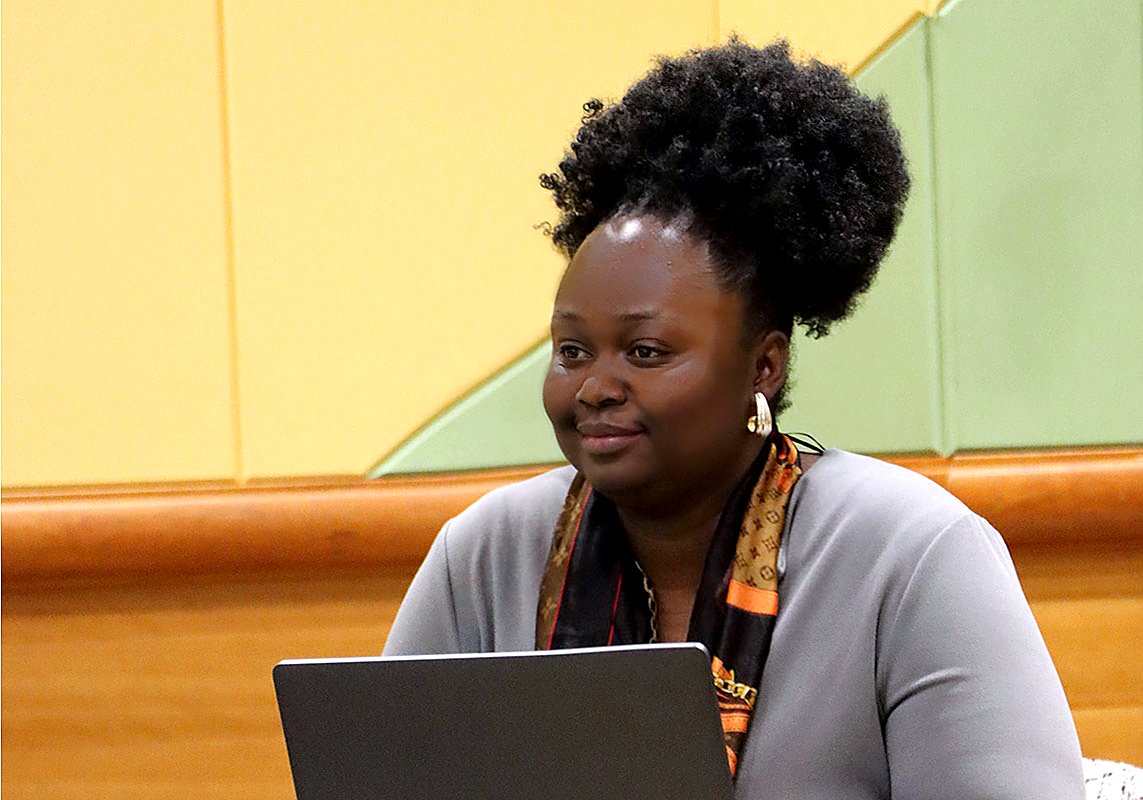
From the Director
Students arrived naming funding as their biggest barrier. They left with a pitch, a mentor, and proof they can build.
Dr. Akosua AcheamponmaaDirector, NSU Innovation Center · Norfolk State University
The Spartan FinTech Innovation Challenge is a program of the NSU Innovation Center, sponsored by Bank of America and facilitated by Winners Inc.